Um novo estudo publicado na Public Relations Inquiry (2026) pela investigadora Naíde Müller (Universidade Católica Portuguesa) analisa como o SafeJourney constrói credibilidade num campo contencioso e adjacente à saúde. Com base na análise de 313 itens do nosso website e em quatro entrevistas com voluntários centrais, a investigação oferece um olhar externo e fundamentado em evidência sobre o trabalho do SafeJourney.
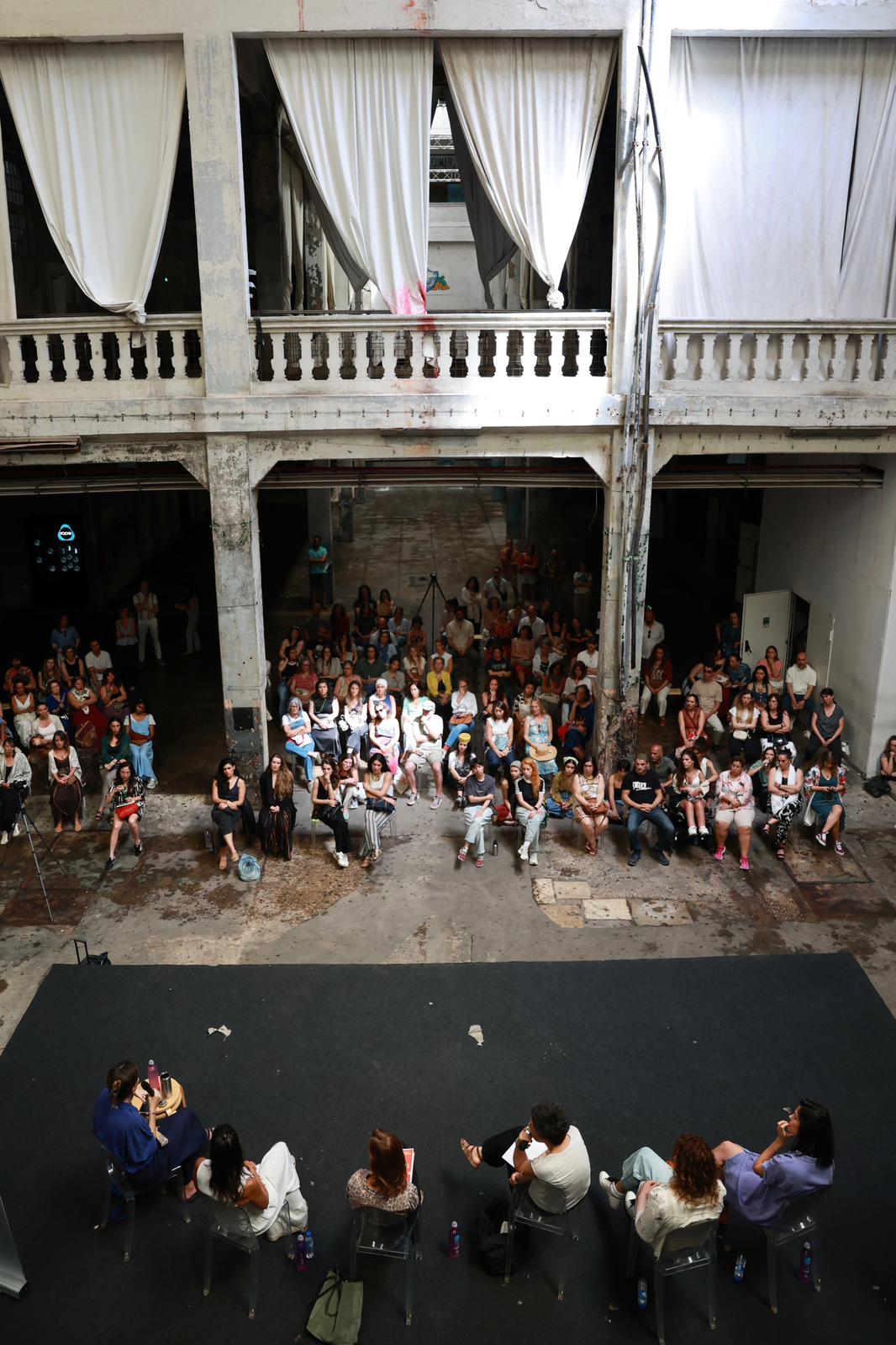
A principal conclusão do estudo é aquilo a que Müller chama uma “coreografia híbrida”. As newsletters e os conteúdos web modulam o ritmo da atenção pública; os formatos presenciais transformam essa atenção em encontros reais que constroem confiança; e os recursos disponibilizados após os eventos (resumos, gravações, por exemplo) mantêm as pessoas envolvidas ao longo do tempo. Os canais digitais não são usados para duplicar conteúdo, mas para direcionar a atenção para encontros físicos e ancorados no território.
A credibilidade, argumenta a investigadora, emerge de forma relacional e não apenas a partir de afirmações. É ancorada através de espaços e da língua portuguesa, da presença nos meios de comunicação nacionais e de testemunhos curados associados a orientações de segurança, mantendo sempre fronteiras claras face à prestação de cuidados clínicos. O testemunho é cuidadosamente delimitado através de salvaguardas de privacidade, opções de anonimato, um enquadramento de redução de riscos e um tom deliberadamente não promocional e jornalístico.
O estudo conclui que a legitimidade é uma realização situada e relacional, construída através da copresença e do cuidado ético. Demonstra como um ativismo não confrontacional e orientado para o cuidado pode sustentar comunidades duradouras em contextos sensíveis sem depender da autoridade clínica.